
Does Owning a Dog Help Prevent Eczema? New Study Says Yes—Especially for Genetically At-Risk Kids
Atopic eczema (AE) is a chronic, itchy, and often distressing skin condition that affects up to 20% of children and 10% of adults in developed countries. While genetics play a significant role, environmental triggers are now increasingly recognized as key contributors to eczema’s rise—especially in industrialized settings.
A groundbreaking new study, led by Dr. Sara Brown, dermatologist and senior research fellow at the University of Edinburgh, offers hope to families with a history of eczema. The research, published in Allergy, shows that early-life exposure to dogs may help protect genetically predisposed children from developing eczema.
How Does Dog Exposure Help?
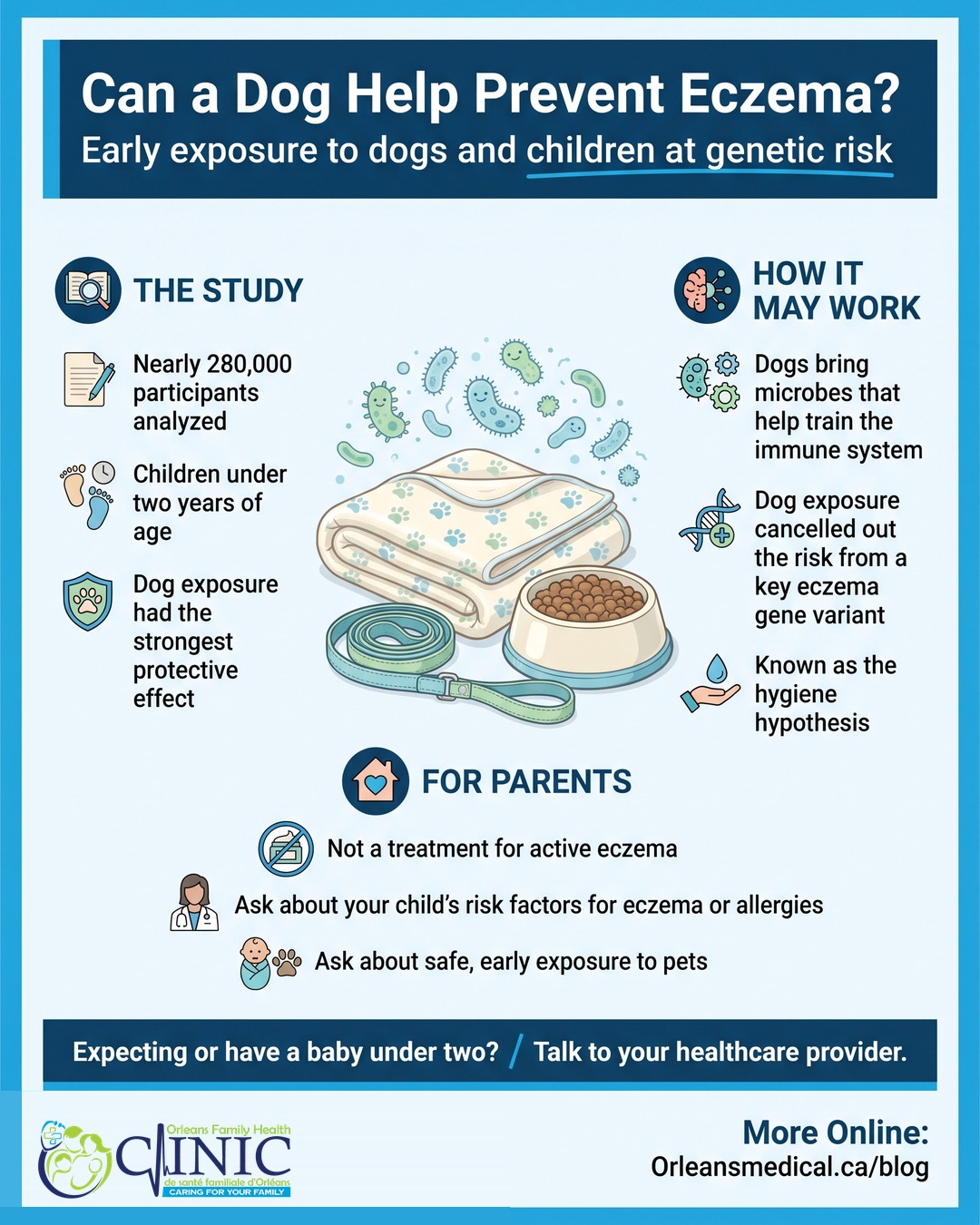
The researchers discovered that dog ownership in early life can actually neutralize the activity of a key eczema-related gene, effectively reducing the risk of active eczema symptoms in young children. In other words, among children with a known genetic variant associated with eczema, those who lived with a dog early in life were significantly less likely to develop the condition.
“This is the first time we’ve shown a molecular mechanism by which dogs could mediate a reduction in eczema risk,” said Dr. Brown. “While we’re not suggesting a dog as treatment for active eczema, our findings raise hope that in the future, eczema may be preventable in some children.”
The Study in Numbers
Researchers pulled data from:
- 16 European studies to identify 24 key genetic markers linked to eczema.
- 25,339 individuals in population-based studies that included both genetic and environmental data.
- An additional 254,532 individuals from 10 European population-based cohorts.
In total, nearly 280,000 participants were included in the analysis.
The children studied were under two years of age, and even in utero exposures were included. Using a robust statistical model, the study assessed interactions between genetic markers and seven early-life environmental exposures, including:
- Dog or cat ownership
- Older siblings
- Breastfeeding
- Parental smoking
- Antibiotic use
- Washing practices
The Dog-Gene Connection Was the Strongest
Of all the environmental factors analyzed, dog exposure had the strongest protective effect, specifically in relation to a key eczema gene. The interaction was so profound that the presence of a dog essentially cancelled out the increased risk posed by the gene variant.
The protective effect appears to stem from how a dog’s presence influences early immune system development. Dogs bring with them a range of microbes that help “train” a child’s immune system, a concept known as the hygiene hypothesis. This theory suggests that early exposure to harmless microbes strengthens the immune system and reduces the risk of allergies and autoimmune diseases.
Supporting Evidence from North America
This isn’t the first study to suggest that dog exposure might be protective. A 2022 study from Detroit found that prenatal and early life dog exposure was associated with a significantly lower risk of eczema by age 2, potentially due to beneficial changes in gut microbiota and immune function.
What This Means for Parents
While we’re not ready to prescribe puppies just yet, these findings highlight how important early environmental exposures can be for immune health—especially for children with a family history of eczema.
If you’re expecting or have a baby under two, talk to your healthcare provider about:
- Your child’s risk factors for eczema or allergies
- The potential benefits of safe, early exposure to pets
- Ways to promote a healthy immune system through nutrition, breastfeeding, and microbial diversity
At Orléans Family Health Clinic, our interdisciplinary team—including pediatricians, family physicians, and dermatology consultants—is here to support your child’s health from day one.
Stay Connected with Orleans Family Health Clinic!
If you found this article helpful, don’t forget to like, share, and Follow to stay up to date on our latest health tips, updates, and wellness advice.
And follow us on social media
Disclaimer: The medical information on this site is provided as an information resource only and is not to be used or relied on for any diagnostic or treatment purposes. This information does not substitute for professional diagnosis and treatment. Please do not initiate, modify, or discontinue any treatment, medication, or supplement solely based on this information. Always seek the advice of your healthcare provider first. Full Disclaimer.

