Articles relating to anything COVID-19 that we discuss on.

Measles Cases Climbing in Ontario — What You Need to Know to Protect Your Family

Public Health Ontario has reported 173 new measles cases in the past week alone, pushing the provincial total to 1,795 since the outbreak began in October.

The vast majority of those affected are infants, children, and adolescents—many of whom were not immunized.

At Orleans Family Health Clinic, we’re urging families to take action now. This is a critical time to ensure that you and your loved ones are protected against this highly contagious and potentially serious illness.
(more…)


Read more...

Ottawa Public Health Investigating First Confirmed Cases of Measles

Ottawa Public Health Investigating First Confirmed Cases of Measles

Risk of Exposure to Measles for Residents of Ottawa

Ottawa Public Health (OPH) is investigating the City’s first confirmed cases of measles since
2019. An adult and a child, both residents of Ottawa, are believed to have acquired measles
while traveling internationally. OPH is notifying individuals who may have been exposed to these
confirmed cases of measles. This public service announcement is for those who we are unable
to reach directly or for whom no contact information is available. At this time, the risk to the
general population remains low.

Possible Exposure Locations and Times

Individuals who visited the following locations on the dates and times below may have been exposed to the measles virus:
(more…)

Read more...

Measles Cases Rise in Ontario: What You Need to Know

Measles Cases Rise in Ontario: What You Need to Know

Ontario is reporting 89 new measles cases this week, bringing the total provincial count to 661 since the outbreak began in the fall. While this is slightly lower than the 100+ cases reported last week, the numbers remain concerning.

Current Impact:

(more…)

Read more...

Weight and COVID-19 Immunity: Vaccination vs. Infection

A recent study found that excess weight affects how the immune system responds to COVID-19, showing differences between post-infection and post-vaccination immunity. Led by Marcus Tong from the University of Queensland, the research suggests that being overweight, not just obese, makes SARS-CoV-2 infections more severe and changes the immune response. (more…)

Read more...

Vaccine Doesn’t Stop Symptoms

cleaning macbook from bacteria

Vaccinated Canadians can have COVID-19 symptoms despite testing negative. Experts say people can test negative on a rapid test in the first few days they have symptoms. This is partly due to how quickly vaccination clears the amount of the virus in an infected person’s body, the amount of immunity a person has built up. How much of the virus a person can spread to others and how serious a person’s disease is, are all dependent on the viral load, which is the amount of virus a person has in their system. Antigen rapid tests pick up on a higher viral load much quicker.

sanitizing hands

If the antigen test is dependent on the amount of virus in your upper respiratory tract, you may still be infectious in the first few days. There’s a period of around two days before the rapid test begins to pick up the antigen This is one reason why it’s always good to give a second rapid test, a day or two afterward, just to make sure it’s really negative.

The real problem is that between 40 to 70 % of people who carry COVID-19 do not have any symptoms at all. This means people who are carriers of the virus may not be getting tested at all because they don’t have any symptoms and don’t think they have COVID-19; if they do happen to get tested, it’s often negative.

If a rapid antigen test is positive, it’s reliable. If it’s not positive and you have symptoms compatible with COVID, you should be managing yourself and the people around you as if you are COVID-positive.

Read more...

Fourth Booster Shots

I've Had My COVID Booster Shot

Fourth shots (Second Booster) of COVID-19 vaccines begin Thursday in Ontario for age 60 and up and for First Nations, Métis and Inuit over 18. Canada’s National Advisory Committee on Immunization (NACI) is now strongly recommending the “rapid deployment” of second COVID-19 booster shots for seniors over 80. The recommended interval between third and fourth shots is five months, but that a shorter interval may be warranted in some individuals. There’s no clear-cut answer on whether to rush out for one. I would advise older persons to get another booster right away because of the higher level of protection.

Vaccine Passports

COVID-19 has had a really disproportionate impact on people 65 and older. One in 100 older people are not with us today who were with us before the pandemic because of COVID-19.

For younger, healthier people, it might make sense to boost in late summer so it reaches maximum efficacy in the fall. Vaccine efficacy wanes over time, so getting a booster now means you won’t have maximum protection in six or seven months. It might make sense to plan your booster around respiratory pathogen season in the fall, when cases of COVID tend to go up. If you’re younger, healthy and in a place where the virus circulation is very low, it’s less critical, but if you’re somewhere where infections are raging, or if you’re traveling, it makes sense to do it now. Multiple studies have shown that the older you are, the bigger the benefit from getting another booster.

Read more...

Paxlovid Approved by Health Canada

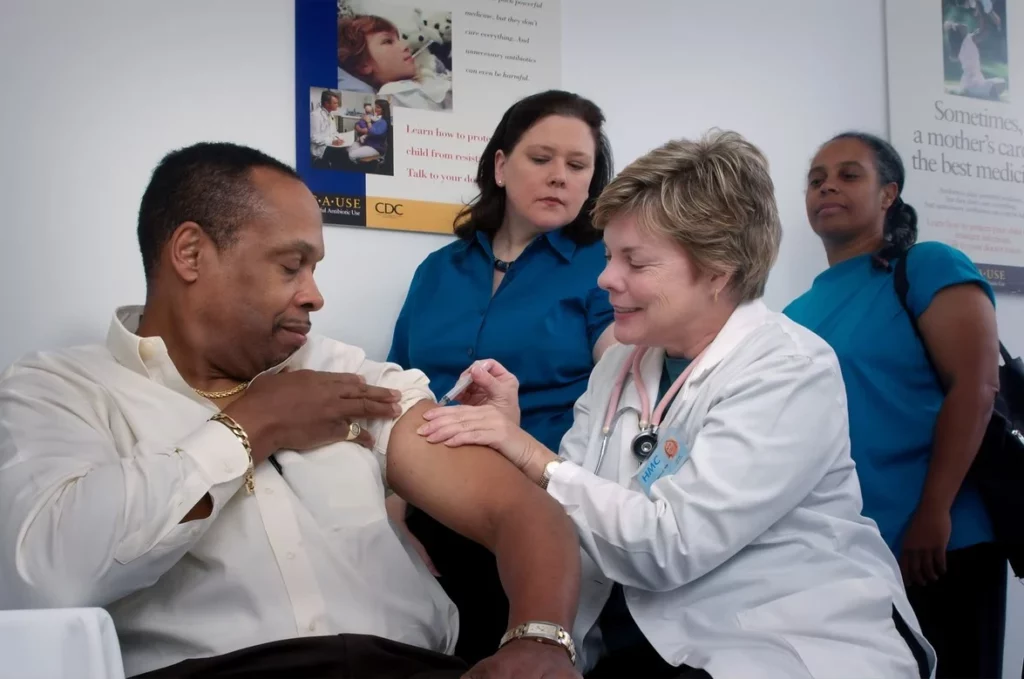
doctor giving middle aged man a vaccine

On January 17, 2022, the oral antiviral Paxlovid was approved by Health Canada. Ontario has received limited quantities from the federal government.

Treatment with Paxlovid must begin within five days of symptom onset to be effective. A full course of treatment is three pills twice daily for five days in a row.

woman getting her blood pressure tested

Ontario is prioritizing patients for treatment who have COVID-19 with the highest risk of severe outcomes, including:
immunocompromised individuals (PDF) aged 18 and over regardless of vaccine status
unvaccinated individuals aged 60 and over
unvaccinated First Nation, Inuit and Métis individuals aged 50 and over
unvaccinated individuals aged 50 and over with one or more risk factors (PDF)
You must also have a positive COVID-19 test to receive treatment.
If you think you may be eligible to receive Paxlovid, you can:
contact your primary care provider
call Telehealth Ontario at 1-866-797-0000
visit a COVID-19 Clinical Assessment Centre
If you have one of more of the following moderate to severe symptoms you should immediately call 911 or go to the emergency department:
severe difficulty breathing (struggling for each breath, can only speak in single words)
severe chest pain (constant tightness or crushing sensation)
feeling confused or unsure of where you are losing consciousness.

Read more...

New Insecticide That Reduces Cases of Malaria

mosquito net over someone reading outdoors

A mosquito net coated with a new insecticide that makes the insects unable to move or fly has reduced cases of malaria in children by about 40 per cent, according to a new study conducted in Tanzania involving Canadian researchers. The two-year study involved 39,000 Tanzanian households.

mosquito repellant candle

In randomized trials with over 4,500 children aged six months to 14 years, mosquito nets coated with the new insecticide chlorfenapyr and with pyrethroids — traditional chemicals that kill insects — reduced the prevalence of malaria by 43 per cent in the first year and 37 per cent in the second. Traditional mosquito nets are only coated with pyrethroids. The double-coated netting also reduced clinical episodes of malaria by 44 per cent over the two-year study period.

Chlorfenapyr is the first new class of insecticide approved to fight malaria in 40 years.
Mosquito nets covered with insecticide have contributed greatly to reducing the impact of malaria in sub-Saharan Africa for the past decade. But there’s been a slowdown or reversal of that trend more recently, particularly because the Anopheles mosquitoes responsible for the spread of malaria have become increasingly resistant to the pyrethroid insecticides.

Read more...

Moderna Approval on Children Aged 6 to 11

Male youth getting vaccinated

On March 17th, Health Canada authorized the use of the Moderna Spikevax COVID-19 vaccine in children 6 to 11 years of age. This vaccine was previously authorized for use in patients 12 years of age and older. NACI recommends that a complete series with an mRNA COVID-19 vaccine should be offered to children in the authorized age groups without contraindications to the vaccine, with a dosing interval of at least 8 weeks between the first and second dose. (Strong NACI Recommendation)

child wearing a mask doing crafts

For children 6 to 11 years of age (which is the age group in which the Moderna Spikevax 50 mcg primary series vaccine is authorized):

Moderna Spikevax (50 mcg dose) may be offered as an alternative to PfizerBioNTech Comirnaty (10 mcg dose), however the use of Pfizer-BioNTech Comirnaty (10 mcg dose) is preferred to Moderna Spikevax (50 mcg dose) to start or continue the primary vaccine series.

Recommendations on the use of Moderna Spikevax COVID-19 vaccine in children 6 to 11 years of Age Although risk of myocarditis/pericarditis with the Moderna Spikevax (50 mcg) in children 6 to 11 years of age is unknown, with a primary series in adolescents and young adults the rare risk of myocarditis / pericarditis with Moderna Spikevax (100 mcg) was higher than with Pfizer-BioNTech Comirnaty (30 mcg).

Read more...