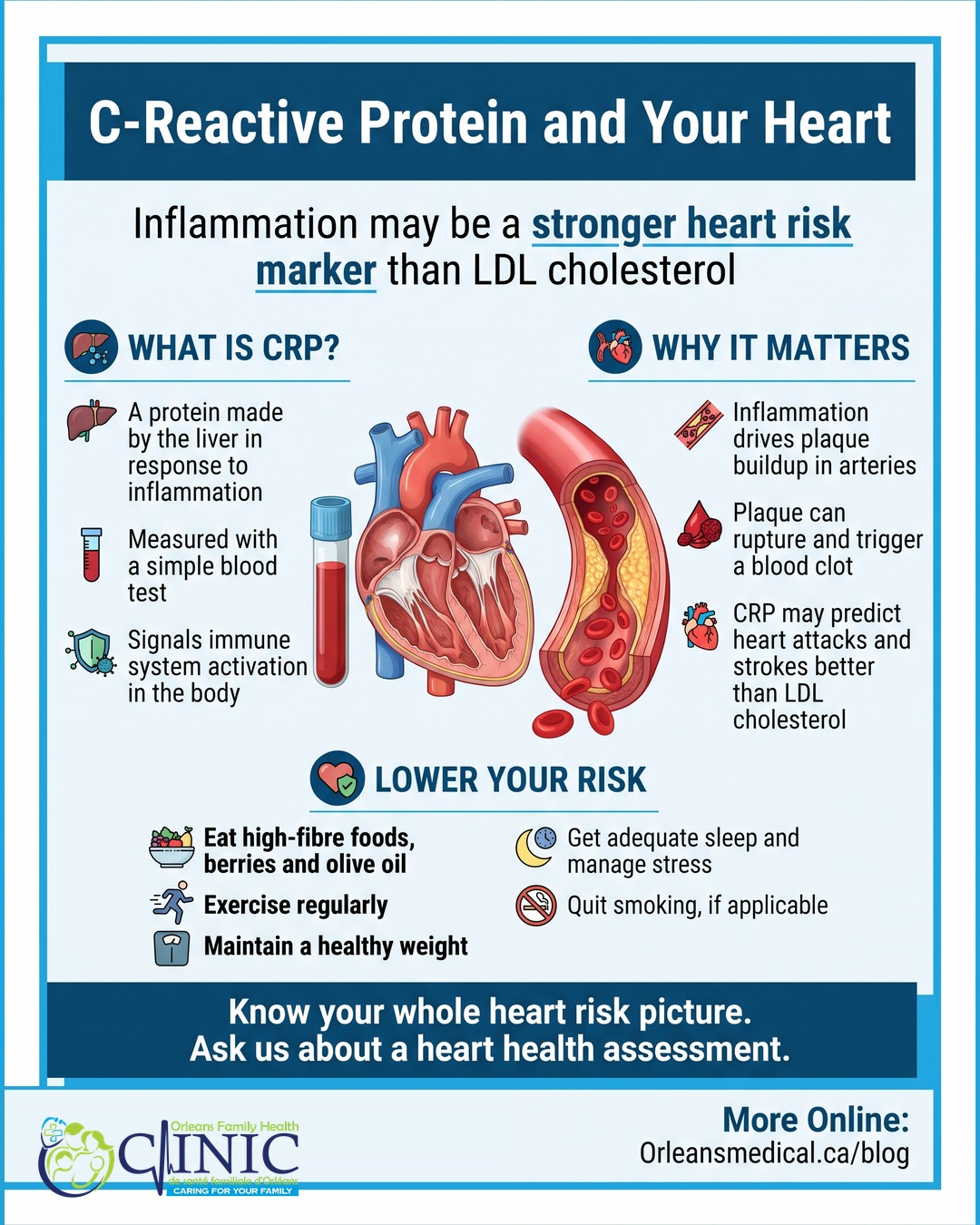
Infographic: C-reactive protein as a heart disease risk marker

How C-Reactive Protein Has Surpassed ‘Bad’ Cholesterol as a Leading Heart Disease Risk Marker

How C-Reactive Protein Has Surpassed ‘Bad’ Cholesterol as a Leading Heart Disease Risk Marker

Heart disease remains the leading cause of death in the United States, and for decades, cholesterol levels have been the primary measure of risk. However, emerging research shows that another marker—C-reactive protein (CRP)—may be even more telling when it comes to predicting heart disease.

(more…)
Read more...

Heart Disease in Women: Why Symptoms and Risks Can Be Different

Cardiovascular disease (CVD) remains the leading cause of premature death among Canadian women. CVD can present differently in women than in men, and important differences exist in underlying pathophysiology, risk factors, diagnosis, treatment, and outcomes. Heart disease does not always look the same in women as it does in men, and knowing that can make the difference between early recognition and a missed diagnosis.

(more…)

Read more...

Heart Failure is on the Rise in Younger Canadians: Why Early Detection Matters at OFHC

When we think of heart failure, we often picture it as a condition exclusively affecting the elderly. However, recent data released for the eighth annual National Heart Failure Awareness Week reveals a concerning shift: heart failure is one of the fastest-growing cardiovascular diseases in Canada, and it is increasingly appearing in younger adults.

(more…)

Read more...

No Guzzling, No Gulping: Why Cold Drinks Might Trigger Atrial Fibrillation in Some People

Could that refreshing smoothie be sparking your irregular heartbeat? New research says yes—for some.

As temperatures rise, it’s natural to reach for a cold drink, ice cream cone, or slushie. But if you have atrial fibrillation (AF)—or are at risk—you might want to think twice before guzzling that icy refreshment.
(more…)

Read more...

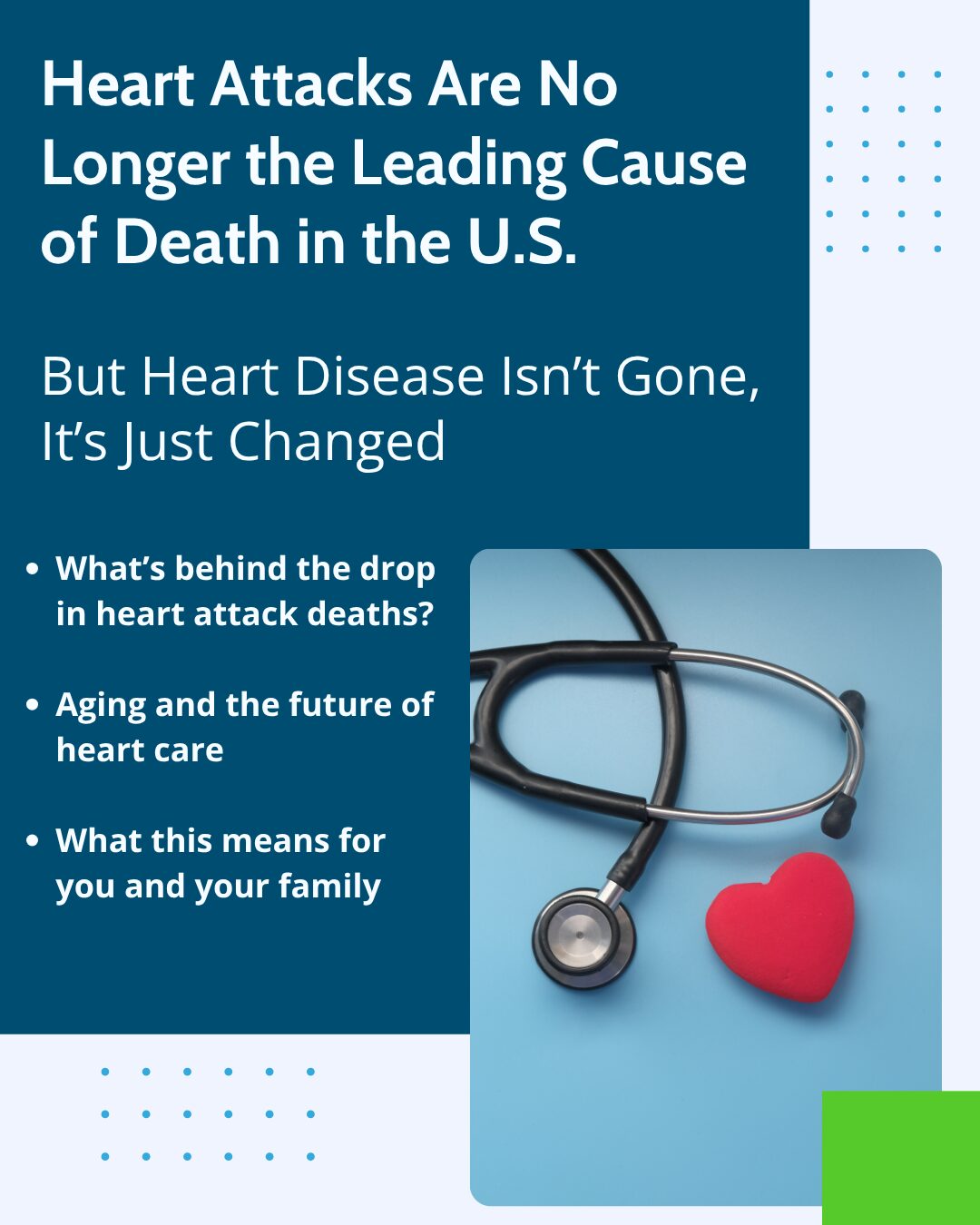
Heart Attacks Are No Longer the Leading Cause of Death in the U.S. — Here’s Why That Matters for You

Over the last 50 years, the United States has seen a dramatic decline in deaths from heart attacks — an almost 90% drop since 1970. Thanks to advancements in medical treatments, lifestyle changes, and improved emergency response, heart attacks are no longer the most common cause of death. However, heart disease as a whole remains the leading killer, and it’s evolving in new ways that affect how we care for our hearts as we age.
(more…)

Read more...

From Churros to Heart Surgery: How One Sweet Idea Could Transform Cardiac Care

At Orléans Family Health Clinic, we’re always fascinated by the intersection of science, innovation, and everyday life—especially when it comes to improving heart health. A recent breakthrough from right here in Ottawa is capturing international attention, and it all started with something as simple as a churro.

Yes, the fried-dough snack might inspire your taste buds, but for a group of local heart researchers, it also sparked a game-changing idea in coronary artery bypass surgery—one of the most common heart procedures in Canada.
(more…)

Read more...

Arnold Schwarzenegger’s 6 Daily Habits to Slash Heart Disease Risk by 80%

Arnold Schwarzenegger’s 6 Daily Habits to Slash Heart Disease Risk by 80%:

  • Embracing a diet rich in whole, plant-based foods every day.
  • Ensuring a minimum of 6 hours of sleep per day, with an ideal range of 7 to 9 hours.
  • Engaging in at least 150 minutes of physical activity per week.
  • Steering clear of tobacco and alcohol consumption (a two-part habit).
  • Prioritizing social interactions for overall well-being.

The World Health Organization’s study highlights that approximately 80% of cases involving heart disease, stroke, and type 2 diabetes could potentially be averted by consistently practicing these six daily habits. (more…)

Read more...